Origin
The Story Behind the Vision
Our Founder
Fernanda Sheridan turned profound loss into clinical infrastructure.
After their own pregnancy loss, Chase and Fernanda Sheridan recognized that the U.S. maternal healthcare system was structurally insufficient in caring for women in subsequent pregnancies. The prenatal standard of care is not enough to care for mothers that get pregnant after a loss. Patients are five times more at risk of another pregnancy loss or other adverse outcomes including prematurity, low birth weight, and others.
Rather than build a standalone support organization, Fernanda worked with industry experts to embed support into clinical practice. She brought a proven specialized-care model — pioneered internationally by Dr. Alex Heazell at the University of Manchester called the Rainbow Clinic™ — into the United States. She personally trained the country’s first two specialized clinics before partnering with Maternal-Fetal Medicine specialists at the University of Utah’s Stillbirth Center of Excellence, Mount Sinai, and Columbia University. Fellow loss parent and executive director of The Iris Fund also joined this effort. Together, they architected a definitive U.S. medical blueprint for Pregnancy After Loss.
Seven years ago today, the loss of her daughter, Natalie, to stillbirth was a moment that changed the trajectory of her life. Rather than accepting this systemic failure, Fernanda and her husband Chase sought answers. Because of their ongoing commitment, Natalie’s legacy is not just a memory. It is woven into the physical walls of the specialized PAL clinics, its clinicians, and thousands of families who can safely bring their babies home.
Our Mission
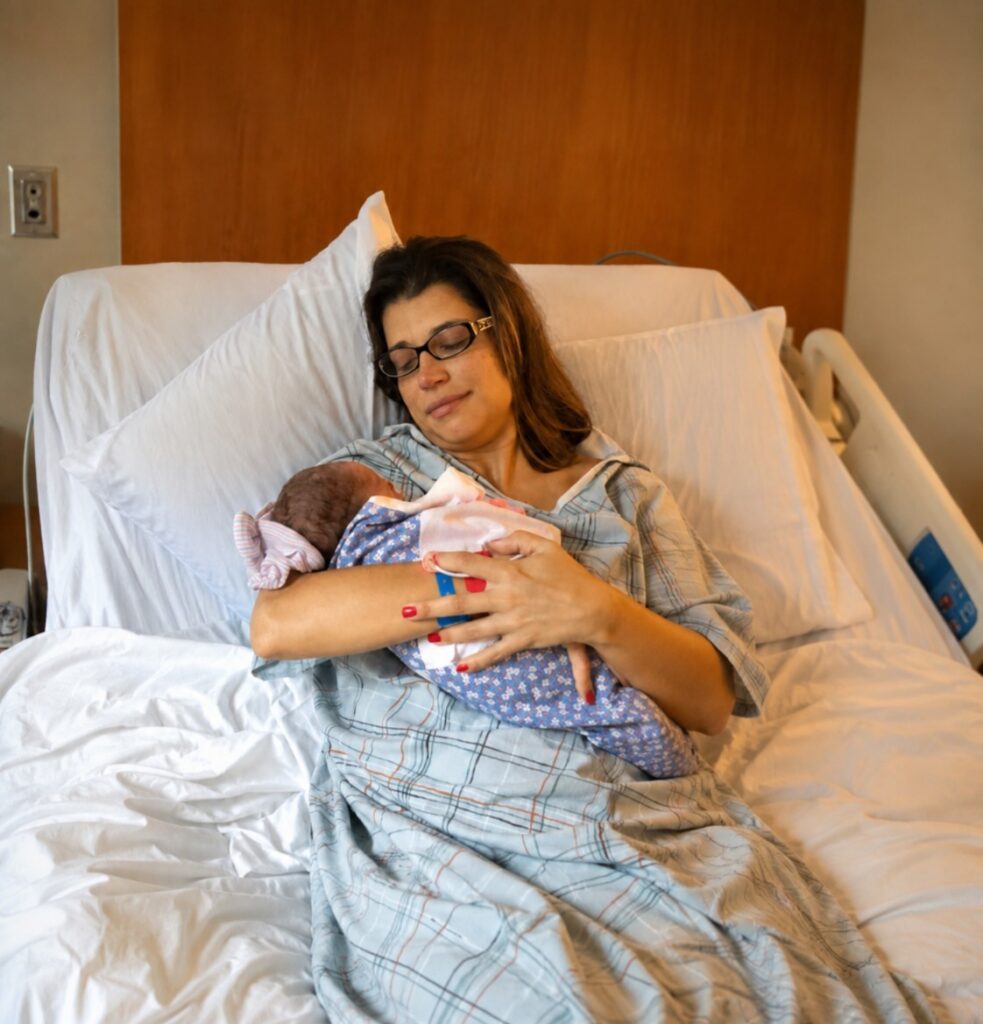
To make specialized perinatal care the U.S. standard to reduce the stillbirth rate.
The Natalie Foundation standardizes and scales specialized perinatal clinical care across the United States and advances placenta research needed to understand the root causes of stillbirth. We do this so that every family at heightened risk receives the targeted clinical infrastructure they need to bring their babies safely home.
Our Values
Three principles that govern the work.
Clinical Rigor
We rely on targeted, evidence-based medical interventions including frequent sonography, advanced placental profiling, cord monitoring, and early antepartum admissions, to actively reduce the physical risks associated with stillbirth.
Systemic Integration
Exceptional medical care is undermined when administrative infrastructure is broken. Every hospital touchpoint — from triage to Labor & Delivery — must receive the sensitivity training prepared by the Natalie Foundation and its partner, the University of Utah. Every contact counts.
Measurable Scalability
We treat philanthropic investment as venture capital for healthcare innovation and impact. By tracking the cost to launch new clinics and placenta research investment, and measuring the resulting reductions in stillbirth recurrence, we offer a data-driven, ROI-focused strategy that scales a proven clinical infrastructure.
Our People
The clinicians, leaders, and advisors moving this forward.
Natalie Foundation
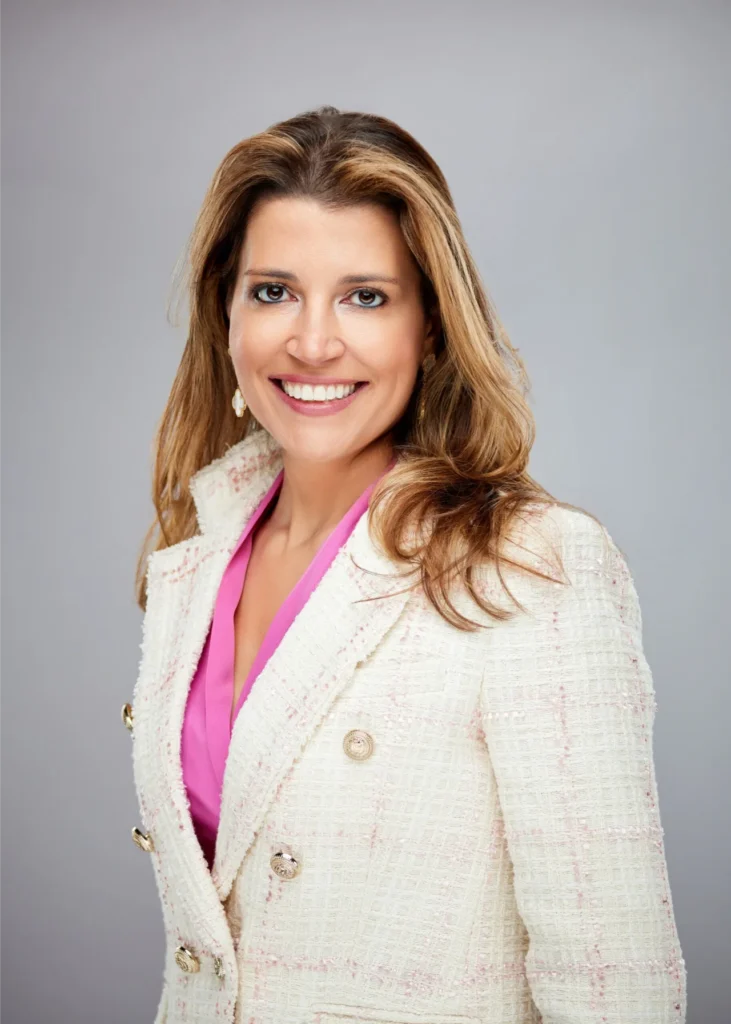
Fernanda Sheridan
Founder and CEO of Natalie Foundation
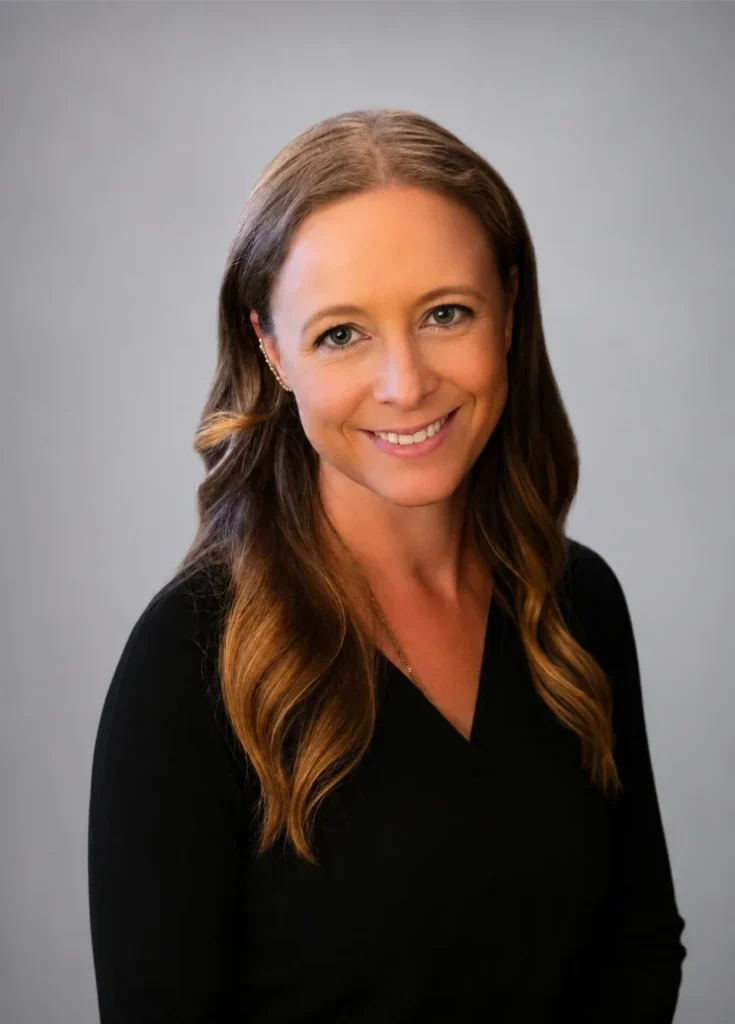
Caroline Moore
Chief Operating Officer
Clinical Authorities
Dr. Joanne Stone
Mount Sinai. Led the launch of the first U.S. clinic. A named subject of the proposed "Ask Dr. Joanne Stone" series.
Dr. Uma Reddy
Yale School of Medicine. Instrumental in the 2023 launch of Columbia's clinic. Also an author on stillbirth-by-gestational-age research cited in the stats document.
Dr. Robert Silver
University of Utah. Named subject of the proposed "One Minute with Dr. Robert Silver" series and an author on the preventability research the Foundation relies on.
Dr. Aleha Aziz
Columbia University. Leads the Columbia clinic.
Dr. Hayley Miller
University of California San Francisco. Leads PAL clinic.
Dr. Katharine Kohari
Yale Medical School — Leads YPAL.
Partnerships
Working alongside the institutions that set the U.S. standard of care.
The Natalie Foundation brought to the U.S. a proven clinical model, the Rainbow Clinic™ created by Alex Heazell at the University of Manchester, known for dramatically reducing stillbirth rates in the UK. The PAL clinical model was developed in partnership with, and is actively used at, the country’s leading academic health systems and research institutions. The partnerships below represent the foundation’s clinical, research, and policy network as of 2026.
Academic Medical Centers
Mount Sinai
One of the first Rainbow Clinics™; co-development partner on the PAL clinical blueprint.
Columbia University
One of the first Rainbow Clinics™; co-development partner on the PAL clinical blueprint.
University of Utah Stillbirth Center of Excellence
Lead academic collaborator on clinical protocol and perinatal pathology.
UC San Francisco and UC Los Angeles
Research partner advancing perinatal pathology and placenta science.
Non-Profit Partners
The Iris Fund
The leading private funder of basic science research to determine the causes of preterm birth.
USPAL Network
Financial & Annual Reporting
Every gift, accounted for.
Every gift to the Natalie Foundation is bringing babies safely home. Our audited financial statements, annual impact report, and IRS Form 990s are published in full each year — because scaling the U.S. standard of care for Pregnancy After Loss requires the trust of the donors, partners, and families we serve.
The Natalie Foundation is a registered 501(c)(3) nonprofit organization.
EIN: 99-2919526. Form 990s available for 2024 and 2025.
Where Your Gift Goes
82 cents of every dollar goes directly to clinical work.
Clinical Care (PAL clinics, USPAL Network, training)
Direct clinic operations, training pathways, and network infrastructure.
Research (placenta science, perinatal pathology pipeline)
Funding placenta research grants and perinatal pathology fellowships.
Policy & Advocacy (Shine Act, insurance coverage)
Federal, state, and hospital-system advocacy for PAL protocol adoption.
Fundraising
Donor development, events, and campaign infrastructure.
Management & Administration
Foundation operations, compliance, and leadership.
What Your Gift Built in 2025
The measurable outcomes of a fully funded year.
Why You Give
Because stillbirth prevention doesn't happen on its own.
You give because a mother in pregnancy after loss deserves a plan, not reassurance.
Because a proven clinical model should be the U.S. standard, not the exception.
Because someone has to fund the next clinic. Someone has to hold the standard.
Because bringing every baby home is a mission worth capitalizing.